WHAT IS FACELIFT?
Customized approach. Refined techniques.
Confidence that feels natural.
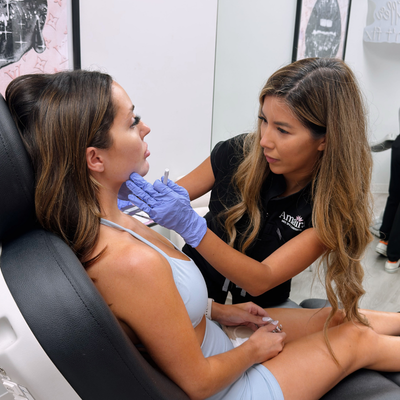
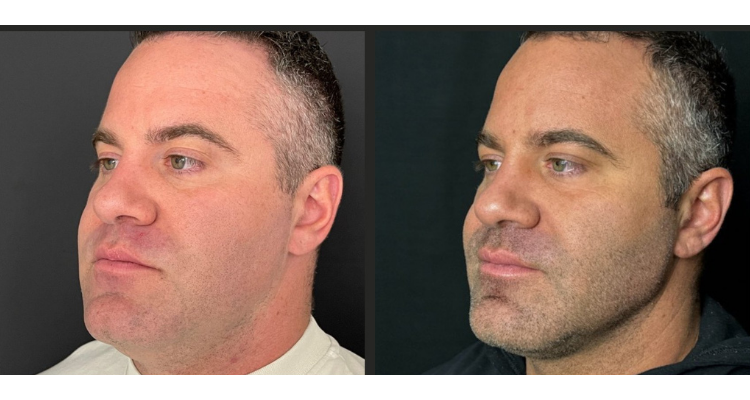
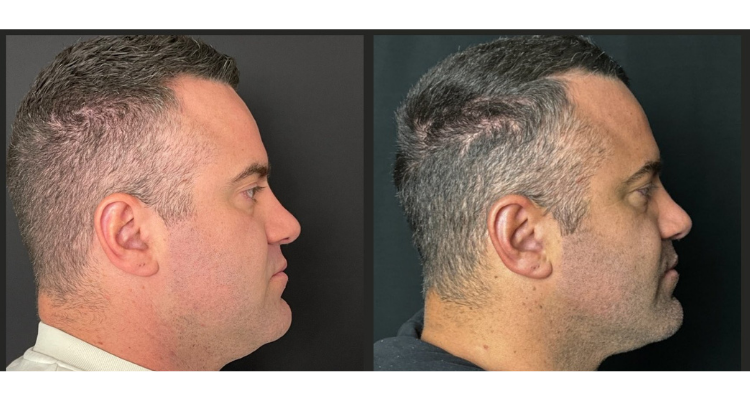
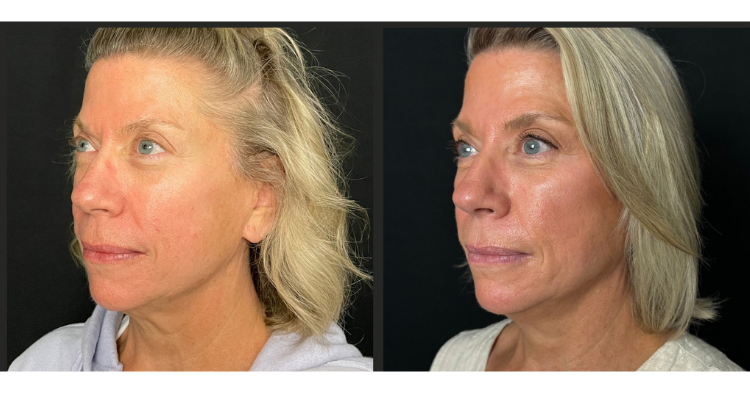
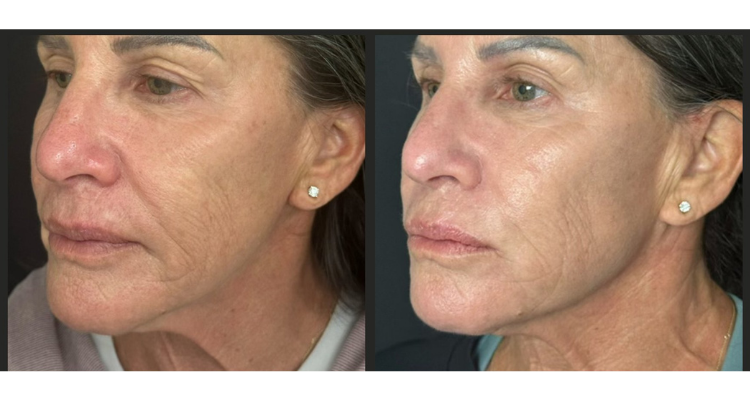
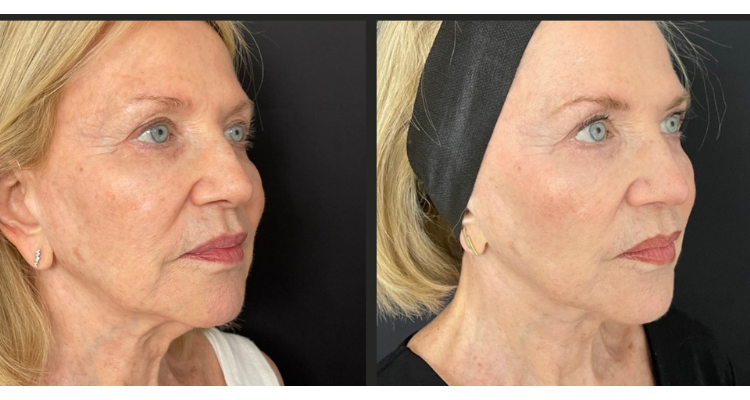
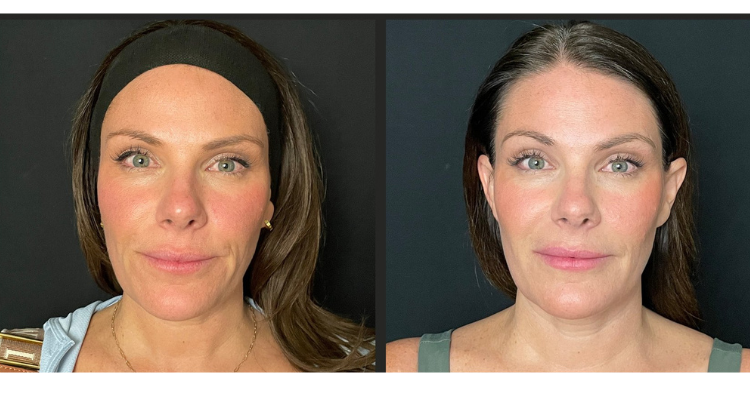
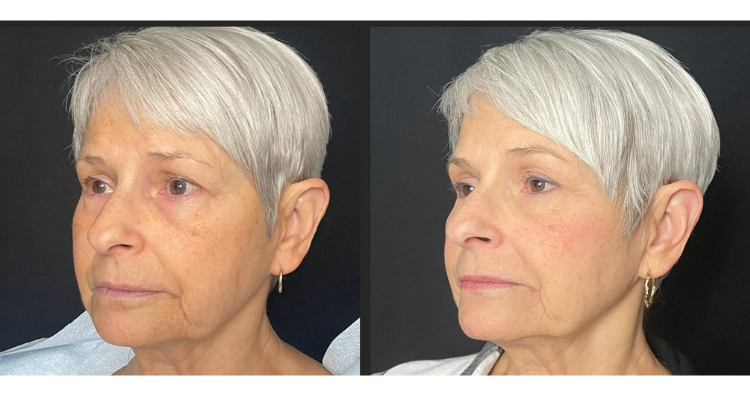
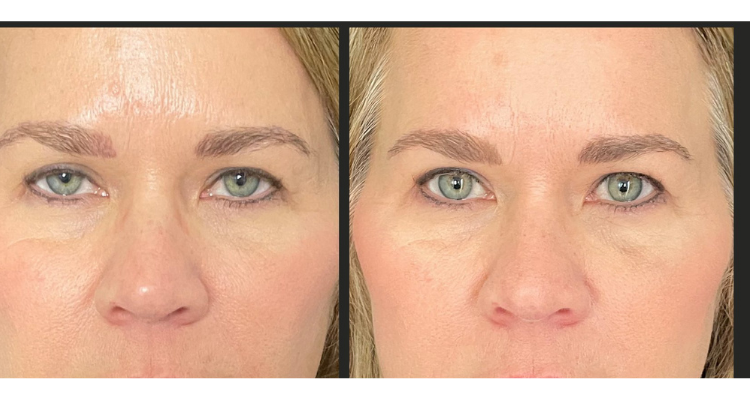
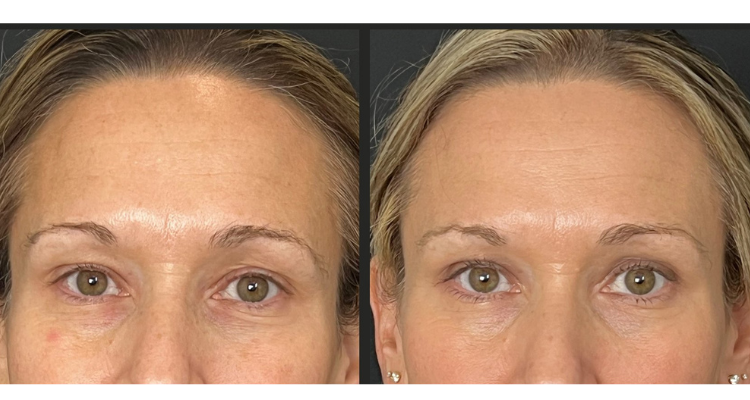
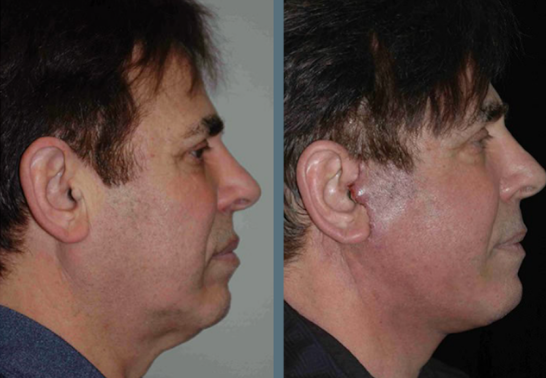
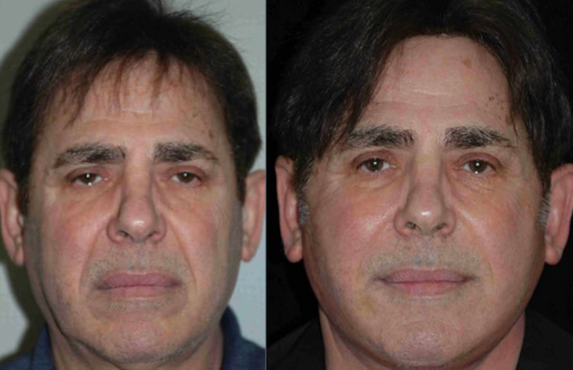
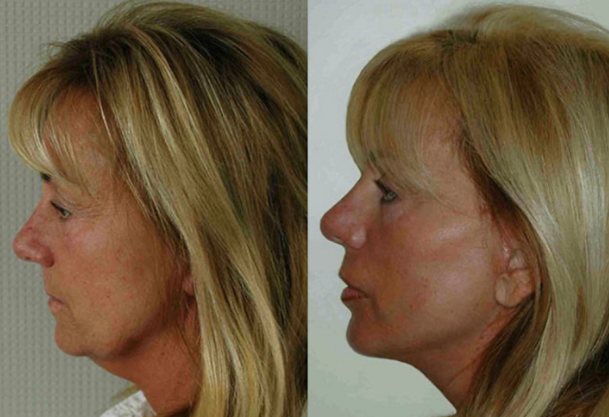
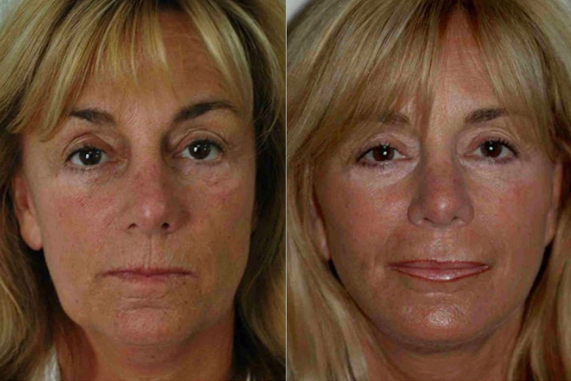
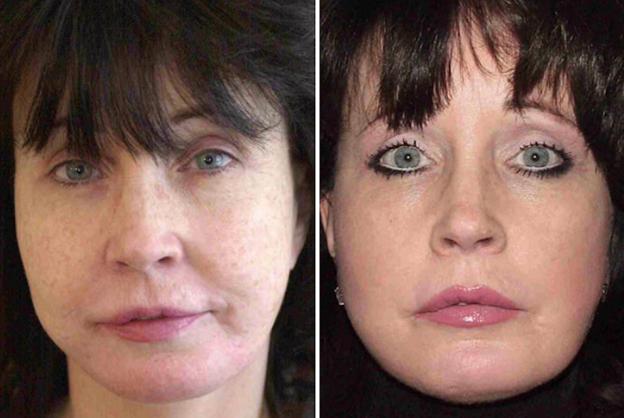
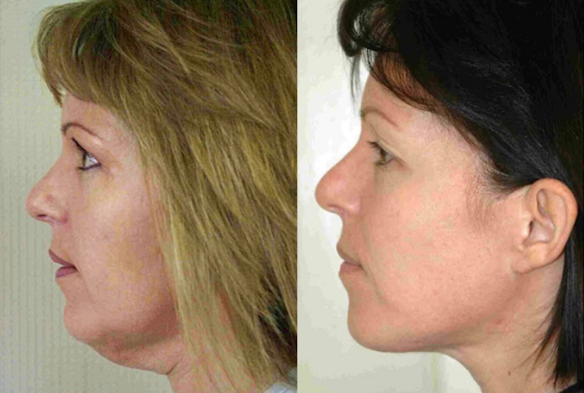
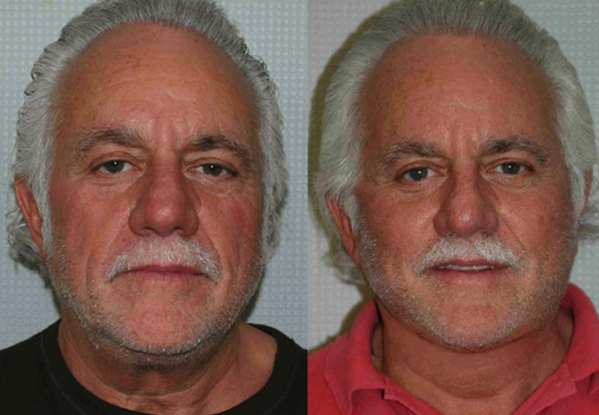
A facelift is a cosmetic procedure that lifts and tightens the face to create a smoother, more youthful appearance. Instead of simply stretching the skin, the surgeon repositions deeper tissues and removes excess skin to restore natural contours—keeping results refreshed, not overdone. It’s a careful, detail-focused approach to facial rejuvenation.
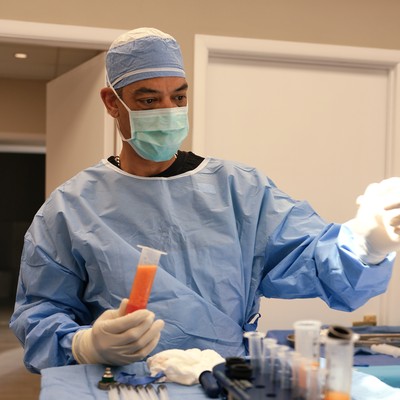
The procedure is typically performed with local anesthesia and light IV sedation or general anesthesia, depending on your needs. This keeps you comfortable throughout while allowing the surgeon to work precisely.
Recovery involves some swelling, bruising, and mild tightness, with most patients returning to normal activities within a couple of weeks. As healing progresses, results continue to improve over the next few months, revealing a more lifted and natural look.
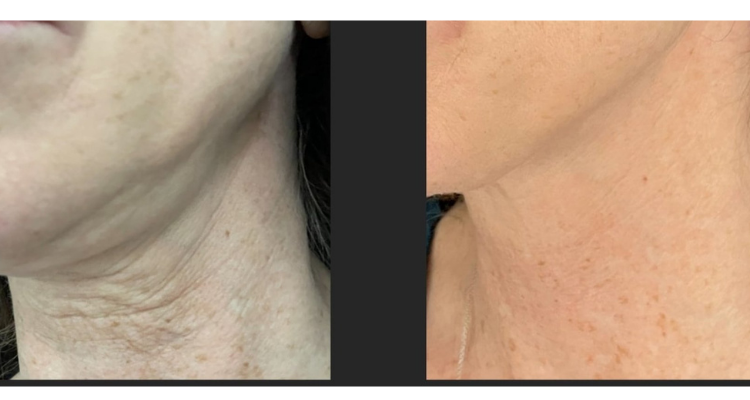
A facelift is ideal for patients noticing sagging skin, deep folds, or loss of definition in the lower face and neck. It enhances your natural features—it doesn’t change who you are, just restores a more youthful version of you.
WHAT IS FACELIFT?
Customized approach. Refined techniques.
Confidence that feels natural.
A facelift is a cosmetic procedure that lifts and tightens the face to create a smoother, more youthful appearance. Instead of simply stretching the skin, the surgeon repositions deeper tissues and removes excess skin to restore natural contours—keeping results refreshed, not overdone. It’s a careful, detail-focused approach to facial rejuvenation.
The procedure is typically performed with local anesthesia and light IV sedation or general anesthesia, depending on your needs. This keeps you comfortable throughout while allowing the surgeon to work precisely.
Recovery involves some swelling, bruising, and mild tightness, with most patients returning to normal activities within a couple of weeks. As healing progresses, results continue to improve over the next few months, revealing a more lifted and natural look.
A facelift is ideal for patients noticing sagging skin, deep folds, or loss of definition in the lower face and neck. It enhances your natural features—it doesn’t change who you are, just restores a more youthful version of you.
PRE-CARE
Preparing Your Results
- Avoid blood-thinning medications and supplements such as aspirin, ibuprofen, vitamin E, and fish oil for at least 1–2 weeks before surgery to reduce the risk of bleeding.
- Stop smoking and all nicotine products at least two weeks prior, as they can interfere with proper healing and affect your results.
- Stay well hydrated and maintain a balanced diet to support your body before surgery, and avoid alcohol a few days leading up to your procedure.
- Plan ahead by arranging transportation, wearing loose and comfortable clothing, and ensuring someone can stay with you the first night after surgery.
POST-CARE
Protecting Your Results
- Keep your head elevated at all times, even while sleeping, for the first one to two weeks to help minimize swelling.
- Take all prescribed medications as directed and avoid strenuous activities, heavy lifting, or bending over for at least two weeks to prevent complications.
- Gently care for your incisions as instructed by your surgeon, keeping them clean and dry while avoiding direct sun exposure.
- Attend all follow-up appointments and be patient with the healing process, as swelling and bruising will gradually improve over time, revealing your final results.
PRE-CARE
Preparing Your Results
- Avoid blood-thinning medications and supplements such as aspirin, ibuprofen, vitamin E, and fish oil for at least 1–2 weeks before surgery to reduce the risk of bleeding.
- Stop smoking and all nicotine products at least two weeks prior, as they can interfere with proper healing and affect your results.
- Stay well hydrated and maintain a balanced diet to support your body before surgery, and avoid alcohol a few days leading up to your procedure.
- Plan ahead by arranging transportation, wearing loose and comfortable clothing, and ensuring someone can stay with you the first night after surgery.
POST-CARE
Protecting Your Results
- Keep your head elevated at all times, even while sleeping, for the first one to two weeks to help minimize swelling.
- Take all prescribed medications as directed and avoid strenuous activities, heavy lifting, or bending over for at least two weeks to prevent complications.
- Gently care for your incisions as instructed by your surgeon, keeping them clean and dry while avoiding direct sun exposure.
- Attend all follow-up appointments and be patient with the healing process, as swelling and bruising will gradually improve over time, revealing your final results.
FAQS
Frequently Asked Questions
FAQS
Frequently Asked Questions
REQUEST A CONSULTATION
Our Treatments Are Performed by a Board-Certified Surgeon
During this visit, we will assess your needs, discuss your options, and help you understand what to expect before, during, and after the procedure. We are committed to providing you with the information and support you need to make an informed decision about your breast enhancement journey.
REQUEST A CONSULTATION
Our Treatments Are Performed by a Board-Certified Surgeon
During this visit, we will assess your needs, discuss your options, and help you understand what to expect before, during, and after the procedure. We are committed to providing you with the information and support you need to make an informed decision about your breast enhancement journey.