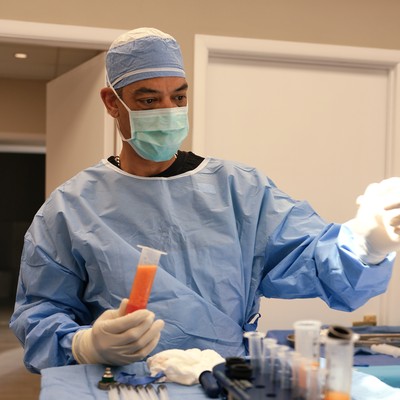
WHAT IS BLEPHAROPLASTY?
Customized approach. Refined techniques.
Confidence that feels natural.
WHAT IS BLEPHAROPLASTY?
Customized approach. Refined techniques.
Confidence that feels natural.

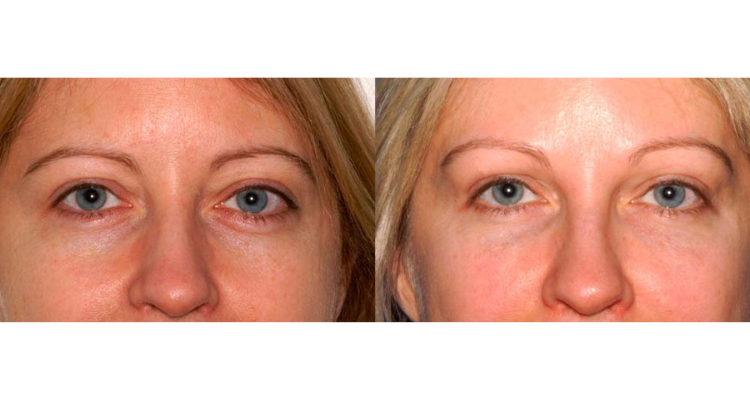
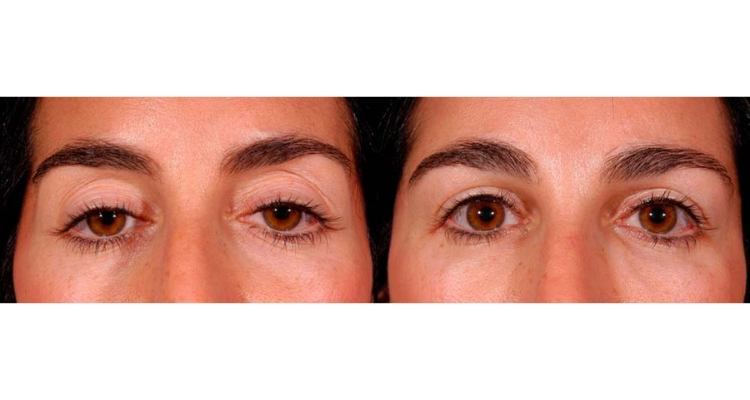
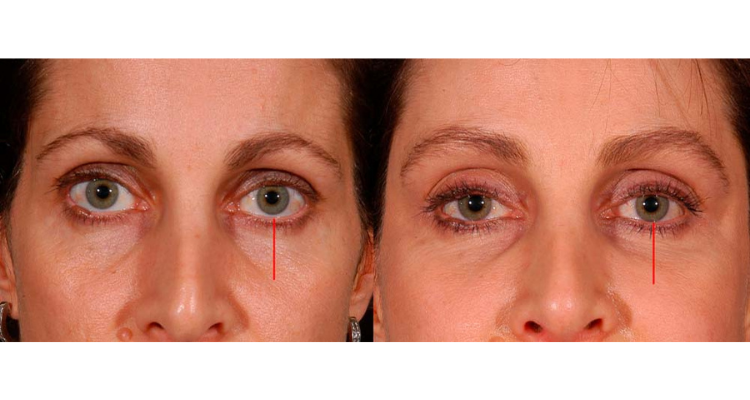
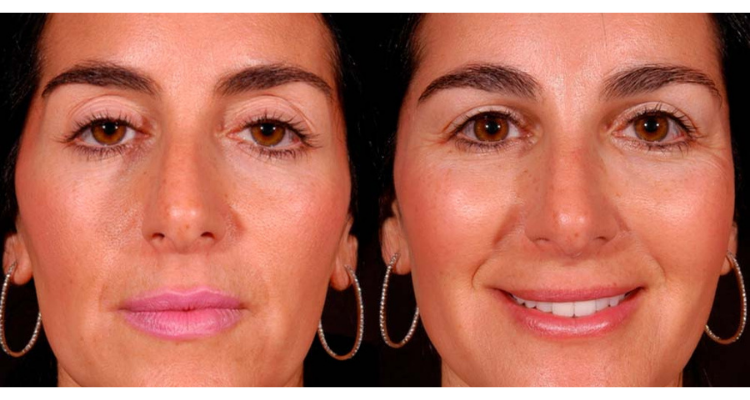
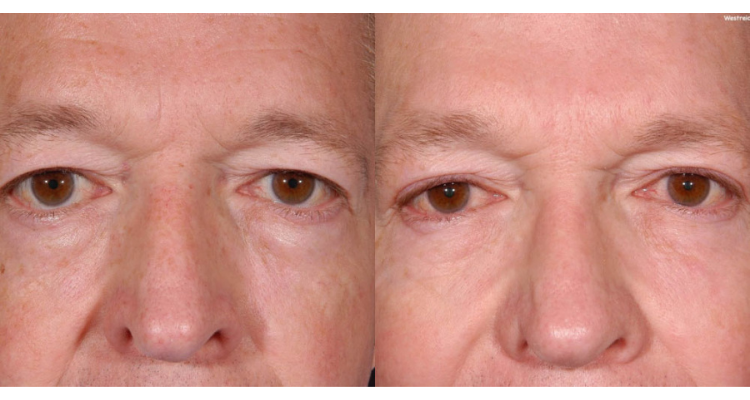
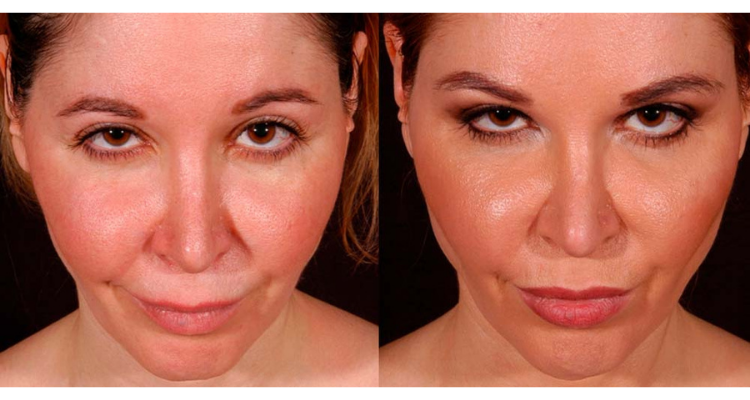
- Drooping upper eyelids: This can sometimes impair vision.
- Excess skin on the upper eyelids: Creating a hooded or tired appearance.
- Bags under the eyes: Caused by excess fat and loose skin.
- Wrinkles around the eyes: Blepharoplasty can improve the appearance of fine lines.
- Drooping upper eyelids: This can sometimes impair vision.
- Excess skin on the upper eyelids: Creating a hooded or tired appearance.
- Bags under the eyes: Caused by excess fat and loose skin.
- Wrinkles around the eyes: Blepharoplasty can improve the appearance of fine lines.
PRE-CARE
Preparing Your Results
- Avoid blood-thinning medications and supplements
Follow your surgeon’s instructions and avoid medications or supplements that may increase bleeding risk, such as aspirin, ibuprofen, or certain herbal supplements. - Prepare your recovery area ahead of time
Have clean towels, cold compresses, prescribed medications, and comfortable essentials ready before your procedure. - Keep your face clean before surgery
Arrive with a clean face and avoid wearing makeup, skincare products, or eye cosmetics on the day of surgery. - Arrange transportation and support
Plan for someone to drive you home and assist you during the first day after surgery as your vision and comfort may be affected.
POST-CARE
Protecting Your Results
- Use cold compresses as directed
Apply cold compresses gently around the eyes to help reduce swelling and bruising during the early recovery period. - Protect your eyes and follow wound care instructions
Keep the incision areas clean, avoid rubbing your eyes, and follow your surgeon’s instructions for ointments or medications. - Rest with your head elevated
Sleep with your head elevated to help minimize swelling and support proper healing. - Avoid strenuous activities
Limit exercise, heavy lifting, and activities that strain the eyes until your surgeon confirms it is safe to resume them.
PRE-CARE
Preparing Your Results
- Avoid blood-thinning medications and supplements
Follow your surgeon’s instructions and avoid medications or supplements that may increase bleeding risk, such as aspirin, ibuprofen, or certain herbal supplements. - Prepare your recovery area ahead of time
Have clean towels, cold compresses, prescribed medications, and comfortable essentials ready before your procedure. - Keep your face clean before surgery
Arrive with a clean face and avoid wearing makeup, skincare products, or eye cosmetics on the day of surgery. - Arrange transportation and support
Plan for someone to drive you home and assist you during the first day after surgery as your vision and comfort may be affected.
POST-CARE
Protecting Your Results
- Use cold compresses as directed
Apply cold compresses gently around the eyes to help reduce swelling and bruising during the early recovery period. - Protect your eyes and follow wound care instructions
Keep the incision areas clean, avoid rubbing your eyes, and follow your surgeon’s instructions for ointments or medications. - Rest with your head elevated
Sleep with your head elevated to help minimize swelling and support proper healing. - Avoid strenuous activities
Limit exercise, heavy lifting, and activities that strain the eyes until your surgeon confirms it is safe to resume them.
FAQS
Frequently Asked Questions
FAQS
Frequently Asked Questions
REQUEST A CONSULTATION
Our Treatments Are Performed by a Board-Certified Surgeon
During this visit, we will assess your needs, discuss your options, and help you understand what to expect before, during, and after the procedure. We are committed to providing you with the information and support you need to make an informed decision about your breast enhancement journey.
REQUEST A CONSULTATION
Our Treatments Are Performed by a Board-Certified Surgeon
During this visit, we will assess your needs, discuss your options, and help you understand what to expect before, during, and after the procedure. We are committed to providing you with the information and support you need to make an informed decision about your breast enhancement journey.