Designer Rhinoplasty
Home / Designer Rhinoplasty
WHAT IS DESIGNER RHINOPLASTY?
Customized approach. Refined techniques.
Confidence that feels natural.
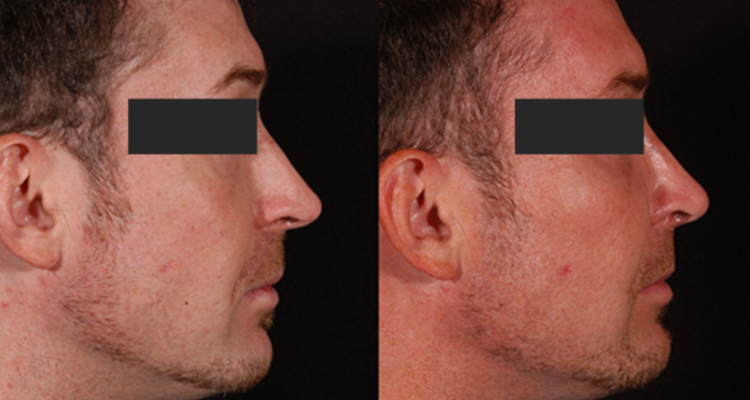
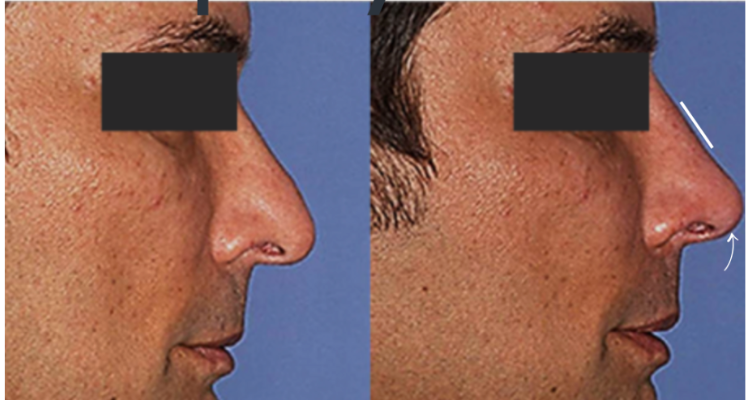
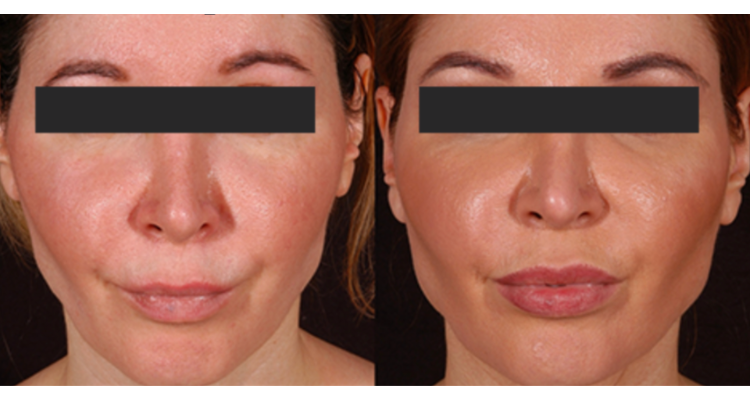
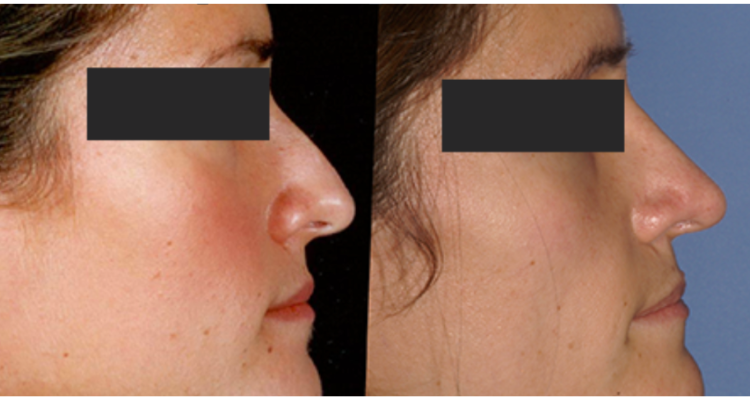
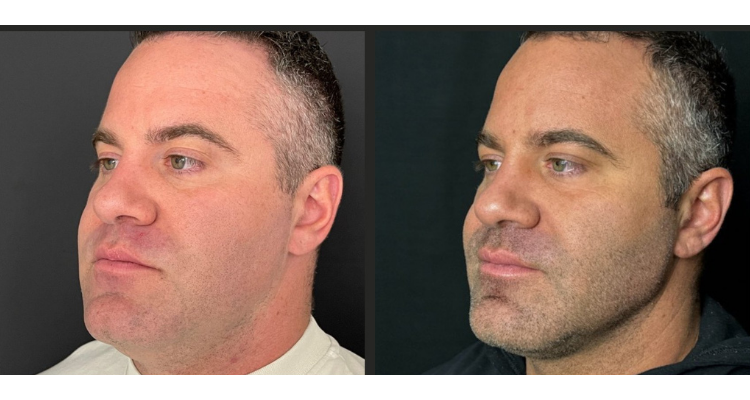
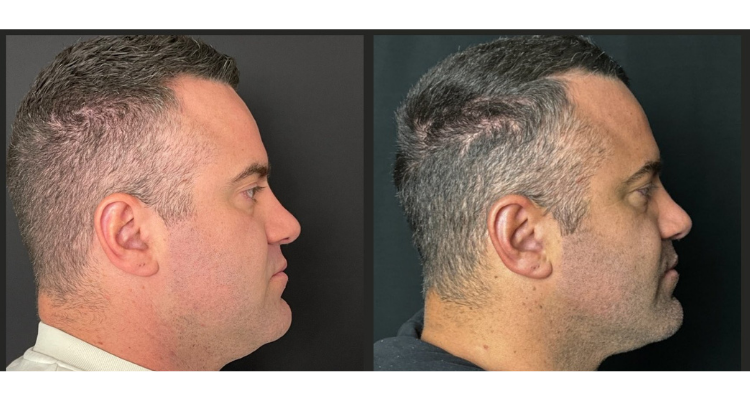
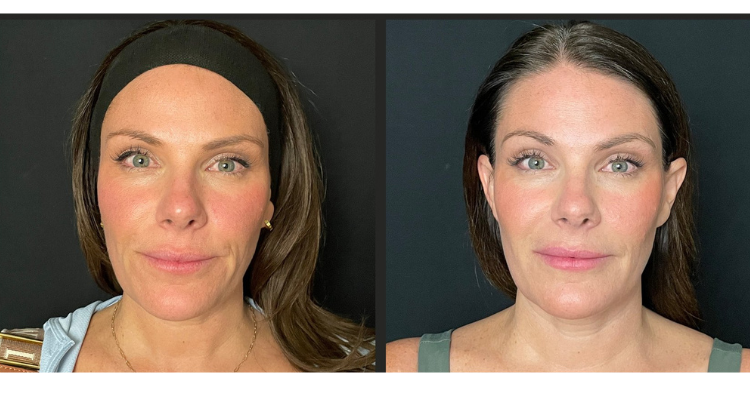
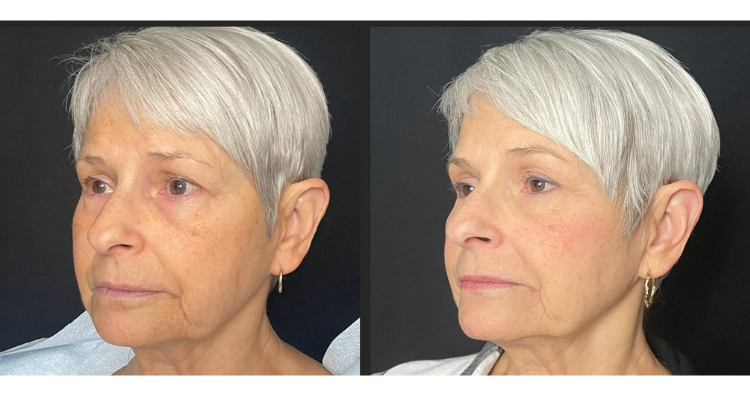
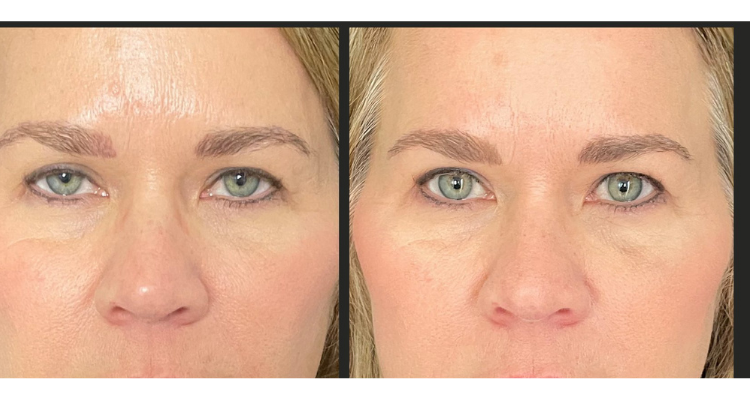
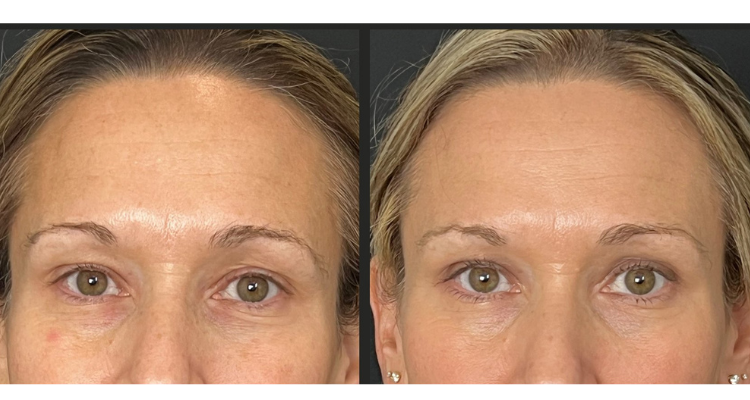
Rhinoplasty, commonly referred to as a “nose job,” is a surgical procedure designed to reshape and refine the nose for both cosmetic and functional purposes. At Amaira Med Spa & Surgical, our board-certified plastic surgeons utilize advanced surgical techniques to enhance the balance and proportion of the nose while maintaining harmony with the rest of the facial features.
Beyond aesthetic improvements, rhinoplasty can also address functional concerns such as breathing difficulties caused by structural abnormalities within the nose. By carefully correcting these issues, the procedure can significantly improve airflow and overall nasal function, allowing patients to experience both enhanced appearance and better quality of life.
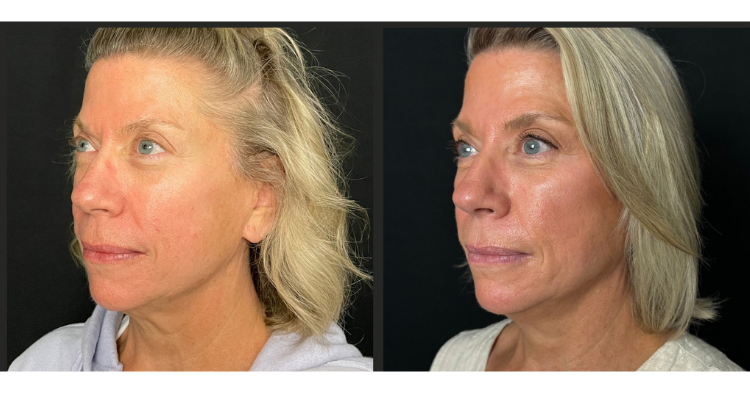
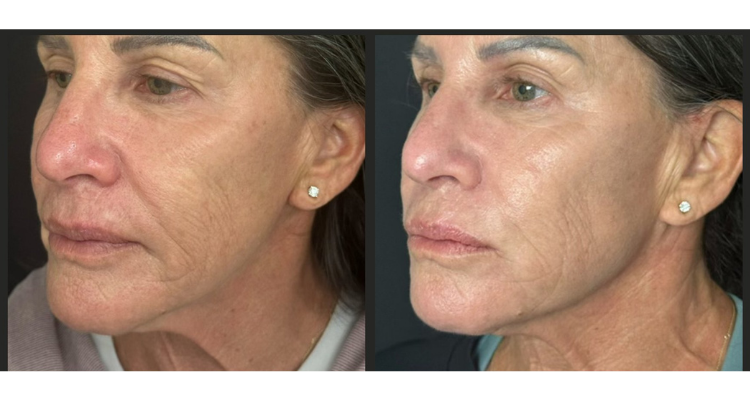
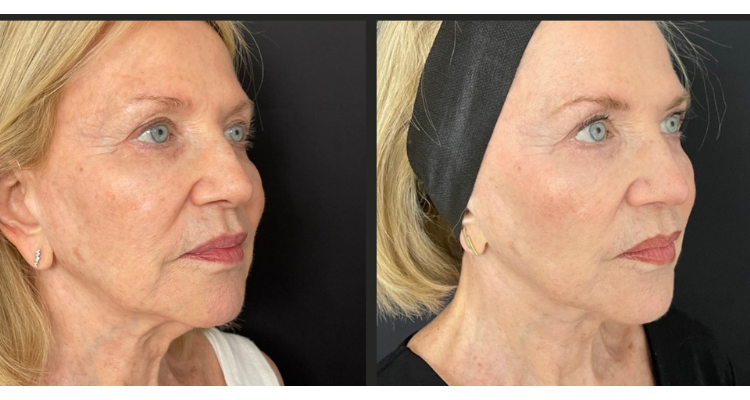
Our surgeons have extensive experience performing both primary and revision rhinoplasty, ensuring results that are natural-looking, refined, and tailored to each individual. Every treatment plan is customized based on the patient’s facial anatomy, aesthetic goals, and functional needs. Whether you are seeking a subtle refinement to enhance facial balance or a more transformative change, our team is dedicated to delivering results that look beautiful, natural, and uniquely yours.
At Amaira Med Spa & Surgical, we take a personalized and patient-focused approach, guiding you through every step of the process—from consultation and surgical planning to recovery and long-term results—to help you achieve greater facial harmony, confidence, and improved nasal function.
PRE-CARE
Preparing Your Results
- Avoid blood thinners 2 weeks prior: Medications like aspirin, ibuprofen, and certain supplements can increase bleeding during delicate nasal surgery. Avoiding them reduces the risk of excessive bruising.
- Stop smoking: Smoking decreases blood flow and oxygen delivery to tissues, which can delay healing, increase swelling, and affect the long-term shape of the nose.
- Avoid alcohol before surgery: Alcohol can thin the blood, dehydrate the body, and increase swelling and bleeding risk. Abstaining helps your tissues respond better to surgery and promotes a smoother recovery.
- Arrange transportation and home support: After surgery, you may have swelling, discomfort, and nasal splints, which makes driving or doing daily tasks unsafe. Having someone assist ensures safety and comfort during the first 24–48 hours.
POST-CARE
Protecting Your Results
- Keep head elevated: Elevation helps reduce swelling, improves drainage of fluids from the nose and face, and supports proper alignment of nasal bones and cartilage while healing.
- Avoid blowing your nose: Blowing can disrupt internal healing tissues, displace nasal cartilage, and increase the risk of bleeding. Patients should follow gentle nasal care instructions to protect results.
- Apply cold compresses to cheeks: Cold compresses help limit bruising and swelling around the eyes and cheeks without affecting nasal structures, improving comfort during recovery.
- Avoid strenuous activity for 4–6 weeks: High-intensity exercise increases blood pressure, swelling, and trauma risk. Gradually resuming activity protects surgical structures and ensures the nose heals in the intended shape.
FAQS
Frequently Asked Questions
REQUEST A CONSULTATION
Our Treatments Are Performed by a Board-Certified Surgeon
During this visit, we will assess your needs, discuss your options, and help you understand what to expect before, during, and after the procedure. We are committed to providing you with the information and support you need to make an informed decision about your breast enhancement journey.
Designer Rhinoplasty
Home / Designer Rhinoplasty
WHAT IS DESIGNER RHINOPLASTY?
Customized approach. Refined techniques.
Confidence that feels natural.
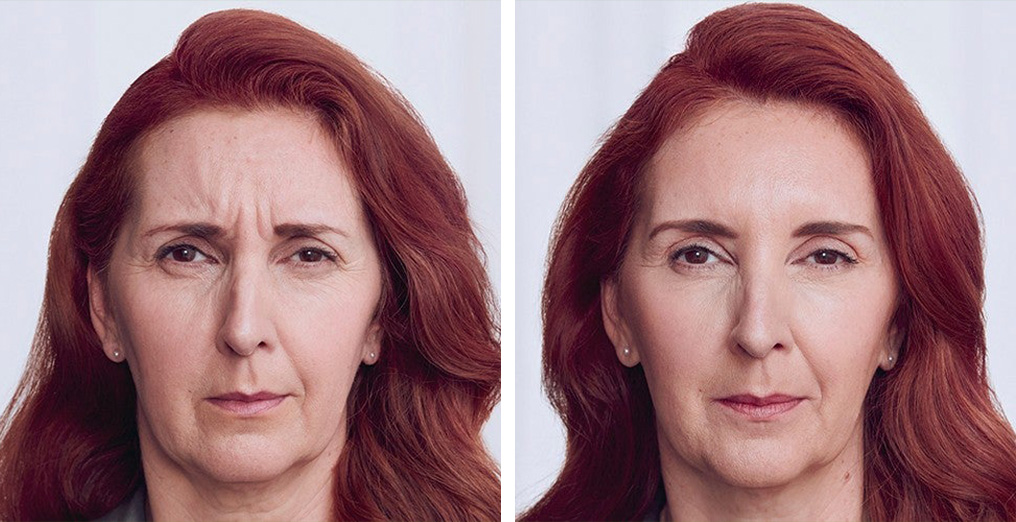
Rhinoplasty, commonly referred to as a “nose job,” is a surgical procedure designed to reshape and refine the nose for both cosmetic and functional purposes. At Amaira Med Spa & Surgical, our board-certified plastic surgeons utilize advanced surgical techniques to enhance the balance and proportion of the nose while maintaining harmony with the rest of the facial features.
Beyond aesthetic improvements, rhinoplasty can also address functional concerns such as breathing difficulties caused by structural abnormalities within the nose. By carefully correcting these issues, the procedure can significantly improve airflow and overall nasal function, allowing patients to experience both enhanced appearance and better quality of life.
PRE-CARE
Protecting Your Results
- Avoid blood thinners 2 weeks prior: Medications like aspirin, ibuprofen, and certain supplements can increase bleeding during delicate nasal surgery. Avoiding them reduces the risk of excessive bruising.
- Stop smoking: Smoking decreases blood flow and oxygen delivery to tissues, which can delay healing, increase swelling, and affect the long-term shape of the nose.
- Avoid alcohol before surgery: Alcohol can thin the blood, dehydrate the body, and increase swelling and bleeding risk. Abstaining helps your tissues respond better to surgery and promotes a smoother recovery.
- Arrange transportation and home support: After surgery, you may have swelling, discomfort, and nasal splints, which makes driving or doing daily tasks unsafe. Having someone assist ensures safety and comfort during the first 24–48 hours.
POST-CARE
Preparing Your Results
- Keep head elevated: Elevation helps reduce swelling, improves drainage of fluids from the nose and face, and supports proper alignment of nasal bones and cartilage while healing.
- Avoid blowing your nose: Blowing can disrupt internal healing tissues, displace nasal cartilage, and increase the risk of bleeding. Patients should follow gentle nasal care instructions to protect results.
- Apply cold compresses to cheeks: Cold compresses help limit bruising and swelling around the eyes and cheeks without affecting nasal structures, improving comfort during recovery.
- Avoid strenuous activity for 4–6 weeks: High-intensity exercise increases blood pressure, swelling, and trauma risk. Gradually resuming activity protects surgical structures and ensures the nose heals in the intended shape.
FAQS
Frequently Asked Questions
REQUEST A CONSULTATION
Our Treatments Are Performed by a Board-Certified Surgeon
During this visit, we will assess your needs, discuss your options, and help you understand what to expect before, during, and after the procedure. We are committed to providing you with the information and support you need to make an informed decision about your breast enhancement journey.