WHAT IS GYNECOMASTIA?
Customized approach. Refined techniques.
Confidence that feels natural.
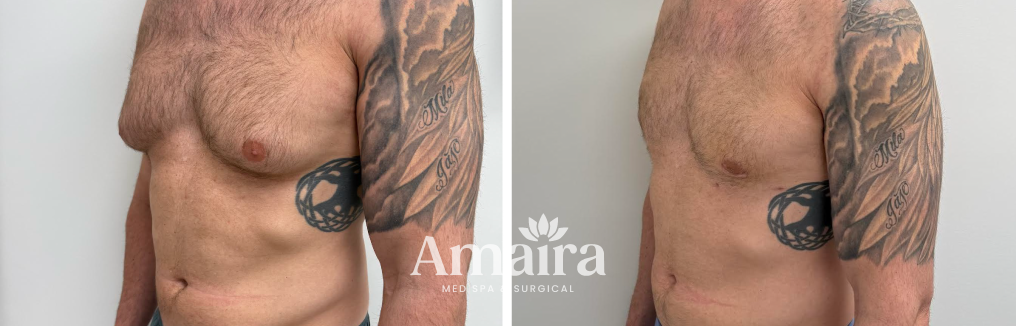
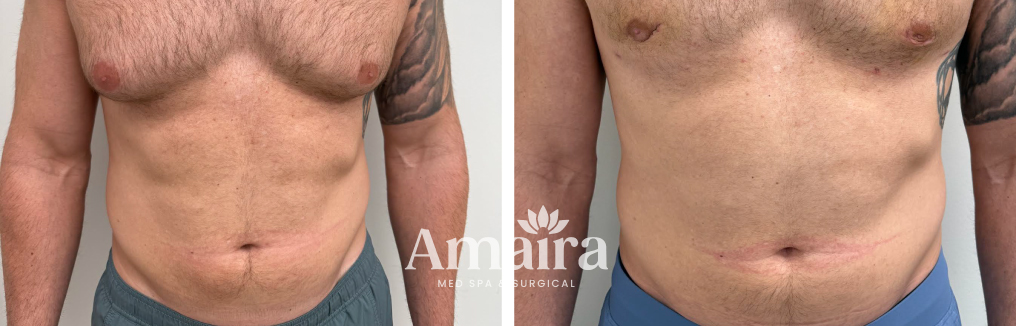
Gynecomastia is a condition where male breast tissue becomes enlarged, causing the chest to appear fuller or more feminine. It happens when there is an imbalance between the hormones estrogen and testosterone, which can lead to the growth of glandular breast tissue in men.
This condition can affect one or both sides of the chest and may occur during puberty, adulthood, or later in life. Common causes include hormonal changes, certain medications, weight gain, genetics, or aging. In many cases, the enlarged tissue does not go away with diet or exercise alone.
Gynecomastia surgery is a procedure designed to create a flatter, more masculine chest. In simple terms, the surgeon removes excess glandular tissue and fat, reshapes the chest contour, and closes the incisions for a smoother result.

POST-CARE
Preparing Your Results
-
Avoid blood thinners 1–2 weeks prior. Reducing blood thinner use lowers the risk of bleeding and bruising during surgery and supports safer healing afterward.
-
Stop smoking 2–4 weeks prior. Smoking slows wound healing and increases the risk of complications such as poor scarring or delayed recovery.
-
Complete the required labs or evaluation. Ensures hormonal or medical causes are properly assessed and confirms you are safe for surgery.
-
Arrange post-op support at home. You may experience soreness and limited arm movement, so assistance helps prevent strain on incisions.
PRE-CARE
Protecting Your Results
-
Wear a compression garment for 4–6 weeks. Compression reduces swelling, supports chest contour, and helps skin retract smoothly against the new shape.
-
Avoid chest workouts for 4 weeks. Straining chest muscles can stress incisions and affect the final contour during early healing.
-
Keep incisions clean and dry. Proper wound care prevents infection and supports minimal scarring.
-
Sleep on your back. Prevents pressure on the chest and supports optimal healing alignment.
FAQS
Frequently Asked Questions
REQUEST A CONSULTATION
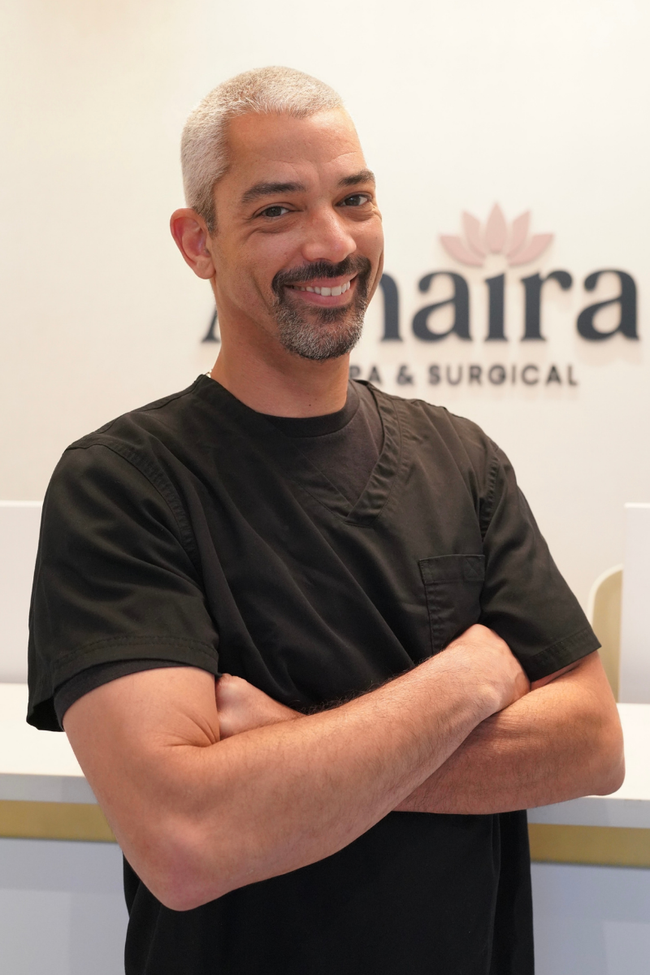
Our Treatments Are Performed by a Board-Certified Surgeon
During this visit, we will assess your needs, discuss your options, and help you understand what to expect before, during, and after the procedure. We are committed to providing you with the information and support you need to make an informed decision about your breast enhancement journey.
WHAT IS GYNECOMASTIA?
Customized approach. Refined techniques.
Confidence that feels natural.
Gynecomastia is a condition where male breast tissue becomes enlarged, causing the chest to appear fuller or more feminine. It happens when there is an imbalance between the hormones estrogen and testosterone, which can lead to the growth of glandular breast tissue in men.
This condition can affect one or both sides of the chest and may occur during puberty, adulthood, or later in life. Common causes include hormonal changes, certain medications, weight gain, genetics, or aging. In many cases, the enlarged tissue does not go away with diet or exercise alone.
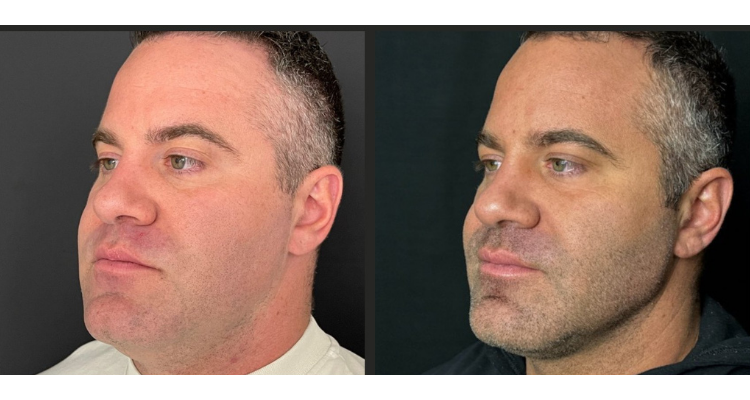
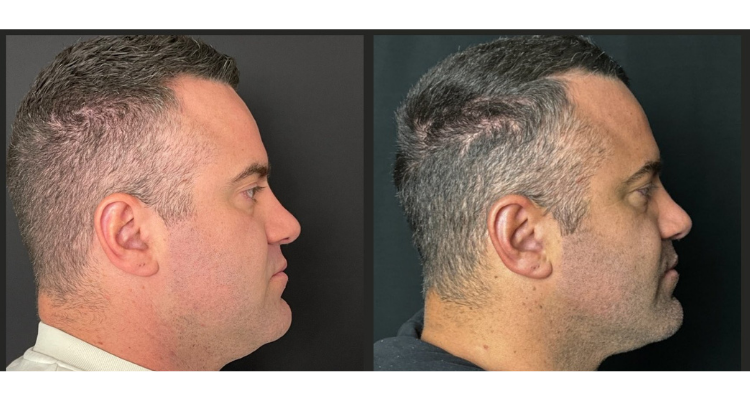
Gynecomastia surgery is a procedure designed to create a flatter, more masculine chest. In simple terms, the surgeon removes excess glandular tissue and fat, reshapes the chest contour, and closes the incisions for a smoother result.
POST-CARE
Preparing Your Results
-
Avoid blood thinners 1–2 weeks prior. Reducing blood thinner use lowers the risk of bleeding and bruising during surgery and supports safer healing afterward.
-
Stop smoking 2–4 weeks prior. Smoking slows wound healing and increases the risk of complications such as poor scarring or delayed recovery.
-
Complete the required labs or evaluation. Ensures hormonal or medical causes are properly assessed and confirms you are safe for surgery.
-
Arrange post-op support at home. You may experience soreness and limited arm movement, so assistance helps prevent strain on incisions.
PRE-CARE
Protecting Your Results
-
Wear a compression garment for 4–6 weeks. Compression reduces swelling, supports chest contour, and helps skin retract smoothly against the new shape.
-
Avoid chest workouts for 4 weeks. Straining chest muscles can stress incisions and affect the final contour during early healing.
-
Keep incisions clean and dry. Proper wound care prevents infection and supports minimal scarring.
-
Sleep on your back. Prevents pressure on the chest and supports optimal healing alignment.
FAQS
Frequently Asked Questions
REQUEST A CONSULTATION
Our Treatments Are Performed by a Board-Certified Surgeon
During this visit, we will assess your needs, discuss your options, and help you understand what to expect before, during, and after the procedure. We are committed to providing you with the information and support you need to make an informed decision about your breast enhancement journey.